

How to Prepare Your Home Before Professional Movers Arrive
Getting ready for moving day can feel overwhelming, especially when a team of movers is scheduled to show up at your home. A bit of planning goes a long way. When you prepare your home before movers arrive, everything becomes smoother, faster, and far less stressful. You protect your belongings, help movers work efficiently, and often reduce your total moving cost.
This guide explains exactly how to prepare for movers, what to do before movers come, and what to avoid on moving day. As a trusted local company, Toronto Moving Company has helped thousands of families across Toronto, Vaughan, Mississauga, Etobicoke, Scarborough, and North York move safely and confidently. With years of experience, our crews know that good preparation is the secret to a hassle-free move.
Why Preparing Early Makes Moving Day Easier (and Cheaper)
Moving day is busiest when items are still unpacked, unlabeled, or scattered around rooms. When everything is ready ahead of time, movers can load faster and handle your belongings with better care. Time savings often mean lower labour charges, fewer delays, and less risk of last-minute surprises.
Preparation also reduces stress. You’ll know where important documents, medications, chargers, and essentials are kept. By the time movers arrive, you’ll simply guide the team and watch things progress smoothly. A well-prepared home makes the entire experience more organized, safer, and predictable.
If you’re still comparing moving services, browsing our long-distance movers in Toronto or local moving services in Toronto can also help you understand what to expect from professionals.
Declutter First: The Easiest Way to Save Money
One of the smartest moving preparation tips is to reduce what you take with you. Decluttering means fewer boxes, less packing, and lower transportation costs. Go room by room and decide what to keep, donate, recycle, or throw away. Items that haven’t been used in years don’t need to travel to your new home.
Don’t forget garages, basements, and storage spaces. These areas often hide heavy, unnecessary items that can drive up moving costs. Decluttering early gives you space to organize and pack efficiently.
If you are downsizing, storage and moving services in Toronto may also be useful when you need temporary space.
Pack Smart and Label Everything Clearly
Packing ahead of time is one of the best ways to prepare your house for moving company crews. Use sturdy boxes, bubble wrap for fragile items, and proper tape instead of string or cheap adhesives. Keep heavier items in smaller boxes so they’re easier to lift, and avoid overfilling bins or bags.
Labelling is essential. Write the room name and a short description on each box. This helps movers place everything in the right area at your new home, saving you time during unpacking. Clearly mark boxes that contain breakables so movers can treat them with extra care.
For homeowners who prefer a hands-off approach, our packing and unpacking services in Toronto provide professional help with supplies, wrapping, and careful loading.
Create a Pathway for Movers
Clear pathways reduce the chance of accidents, delays, and damage. Walk through the house and make sure floors, staircases, and entryways are free of shoes, toys, small rugs, extension cords, or loose items. If possible, park vehicles away from the driveway so the moving truck can get close to the entrance.
Movers work more efficiently when they have space to carry boxes and furniture safely. This small step can make a big difference in both timing and safety.
Protect Floors, Walls, and Fragile Areas
Part of preparing your home before movers arrive includes protecting your space from scuffs and scratches. Use floor runners or mats at entry points, especially during winter or rainy weather. Corner guards or towels can help protect walls from larger furniture.
Professional movers usually bring protective blankets, straps, and equipment. However, adding an extra layer of protection inside your home helps avoid unnecessary marks or cleanup after the move.
Prepare Appliances and Large Furniture
Appliances require special attention before moving day. Unplug refrigerators and freezers at least 24 hours in advance to allow them to defrost. Wipe them dry to prevent leaks. Disconnect washers and dishwashers, and secure cords so they don’t tangle.
Disassemble beds, remove shelves where possible, and empty dressers rather than leaving drawers full. The lighter and more compact each item is, the safer and quicker it is to carry.
If any heavy or delicate items concern you, our house moving services in Toronto and piano movers in Toronto have specialized training for safe handling.
What Should Go With You — Not on the Truck
Some belongings are better kept with you during the move. Important documents, cash, small electronics, passports, medications, keys, and valuable jewellery should stay in a personal bag or vehicle. Having essentials within reach ensures peace of mind and avoids mix-ups.
The same applies to sentimental items that cannot be replaced. Movers treat belongings with care, but keeping irreplaceable items close offers extra reassurance.
Moving Day Preparation Checklist
Here’s a quick checklist to follow as moving day approaches. Keeping these tasks in order will help everything run on schedule.
| Task | Why It Matters |
|---|---|
| Finish packing non-essentials early | Reduces panic on moving day |
| Label boxes clearly | Helps movers place items correctly |
| Disconnect appliances | Prevents leaks or electrical issues |
| Clear hallways and stairs | Improves safety and speed |
| Keep essentials separate | Avoids losing important items |
| Confirm details with movers | Ensures everyone is on the same page |
Use this as your moving day preparation checklist and adjust it based on your home and family needs.
What Homeowners Should NOT Do on Moving Day
Even with the best intentions, a few common mistakes slow down the process. Avoid packing at the last minute. Don’t leave pathways blocked or expect movers to handle hazardous materials such as fuel, propane tanks, or cleaning chemicals. Refrain from hovering constantly over movers; instead, stay available to answer questions and provide direction when needed.
If something is fragile, inform the team ahead of time. Communication helps prevent misunderstandings and ensures your expectations are clear.
How Professional Movers Make Preparation Easier
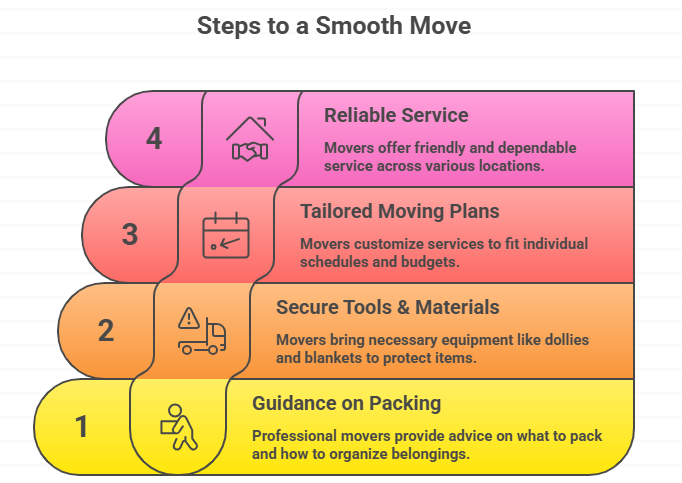
Hiring experienced movers means gaining support long before the truck arrives. Professionals provide guidance on what to pack, what to leave, and the best sequence for preparing your home. Licensed and insured crews like Toronto Moving Company also bring the right tools, dollies, blankets, and protective materials to keep everything secure.
Our team has served families across Toronto, Vaughan, Mississauga, Etobicoke, Scarborough, and North York with reliable, friendly service. Whether you need local moving help, long-distance support, or storage options, we tailor plans to fit your schedule and budget. You can learn more by visiting our services page or browsing the blog for more moving preparation tips.
FAQs: How to Prepare Your Home Before Movers Arrive
How early should I start preparing for movers?
Start at least two to four weeks ahead so packing and decluttering don’t feel rushed.
Do movers pack for you?
Yes, if you choose professional packing services. Otherwise, have most items boxed before moving day.
Should I empty drawers and dressers?
Yes. Emptying them makes furniture lighter and safer to move.
Do I need to be home when movers arrive?
It’s strongly recommended. Movers may need access, instructions, and clarification throughout the process.
Can movers take everything?
Movers cannot transport hazardous materials, flammable liquids, or certain restricted items. Ask your moving coordinator for guidance.
Make Your Moving Day Simple and Stress-Free
Preparing your home early means fewer delays, lower costs, and better protection for your belongings. If you want friendly, professional help, Toronto Moving Company is here to guide you from start to finish — from planning to packing to final delivery.